Highstreet: Calamity VR
A multiplayer roguelike VR game. Fight through waves of enemies toward boss encounters, earn rewards, and progress alongside friends.
- Roles
- Game Designer (UX, Systems)
- Engine
- Unity 6 · DOTS · VR
- Duration
- Dec 2023 – Feb 2026
- Platform
- Meta Quest
- Release
- 2026
- Employment
- Professional · Highstreet
Context
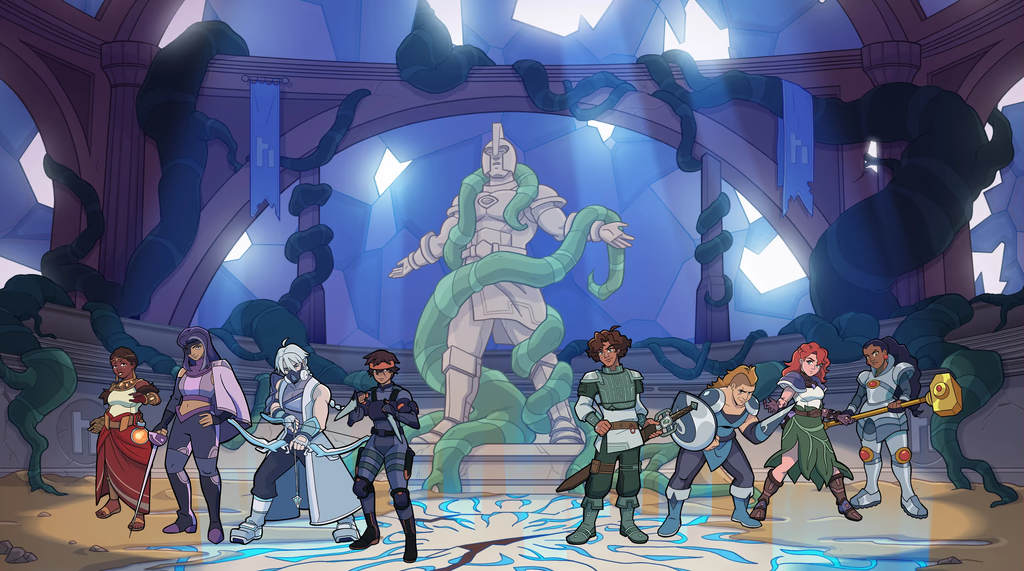
Multiplayer roguelike VR game for Meta Quest. Wave-based combat into boss encounters, class-based progression, party play.
Joined as Game Designer at the start of the project, applied my skills across multiple disciplines from writing documentation to level design, technical art and shaders. Towards the end of the project I had ownership of the UX and Systems of the game. I worked on the creation of the combat layer and the meta-progression layer.
Problem
A roguelike on Quest has to stay readable inside the headset. Less peripheral awareness, more decision pressure per wave. The team needed a class and progression structure that gave each player a distinct fantasy without overwhelming combat, plus authoring tools that let designers iterate on hundreds of abilities and enemies without engineering per change.
Approach
Worked across player-facing systems and the production pipeline behind them.
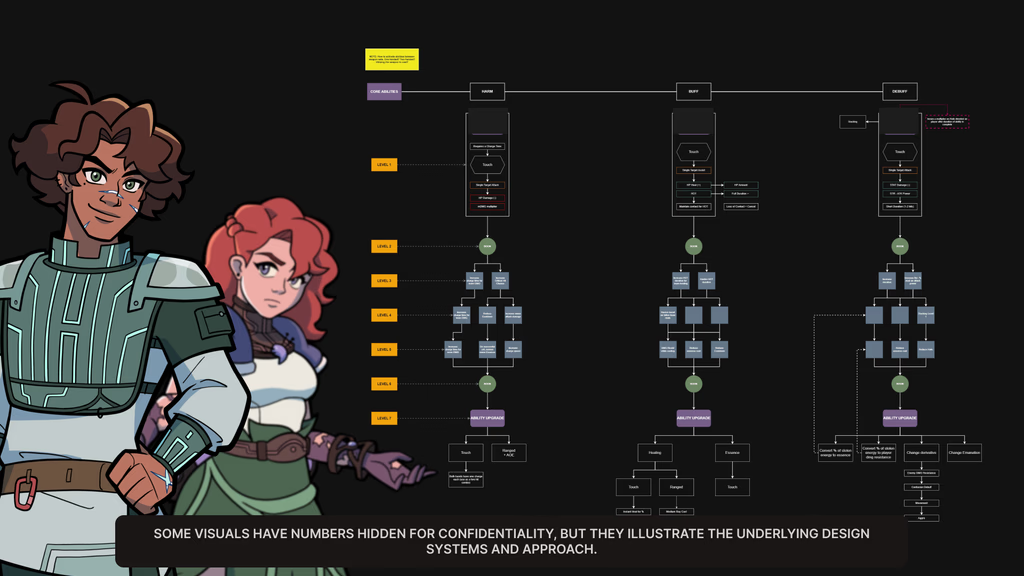
- Class archetypes and MMO progression.
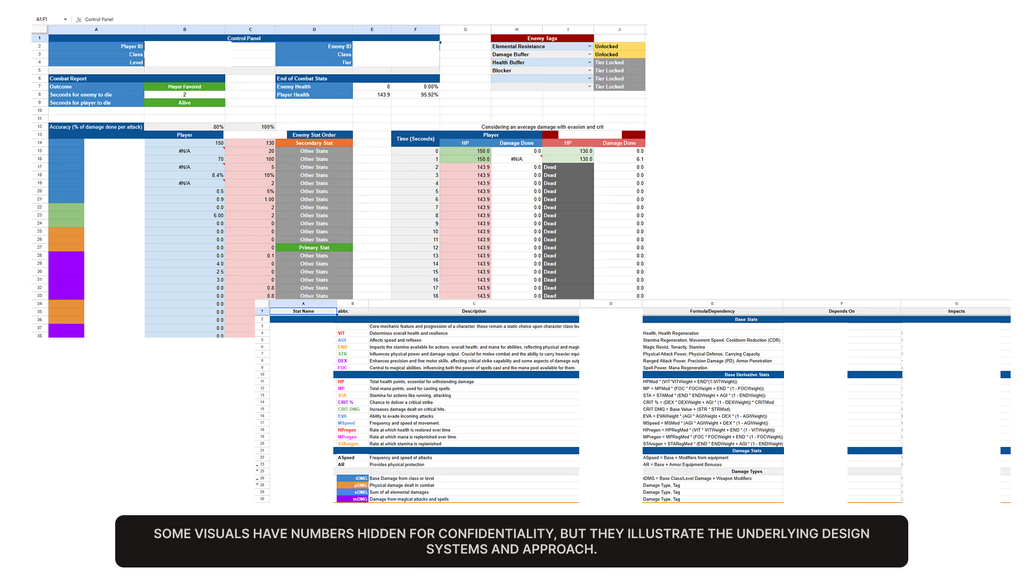
- Stats and elemental system tying damage, resistances, and ability synergies together.
- Abilities and the gesture-casting system that translates VR motion into ability inputs.
- Wave progression and combat.
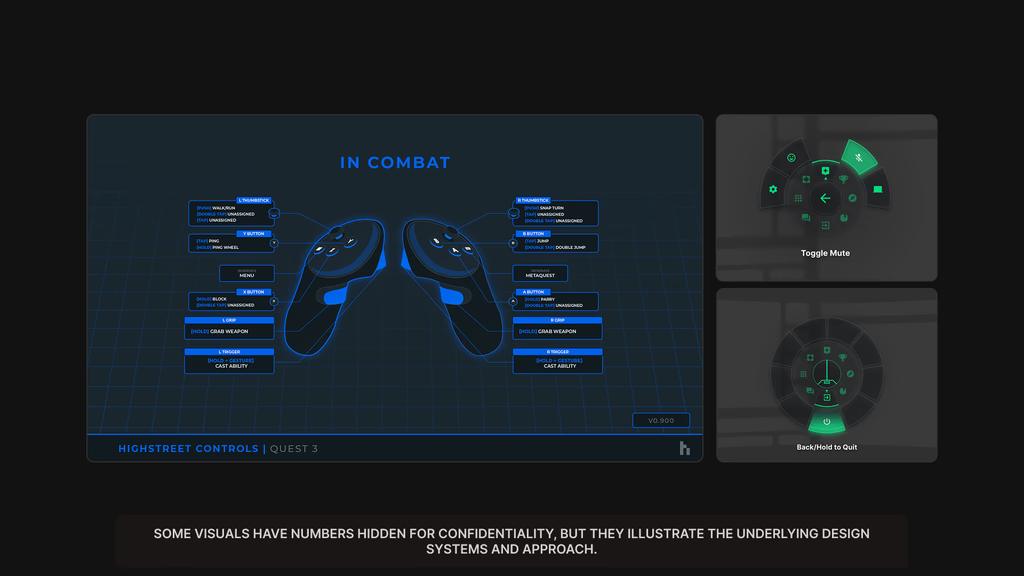
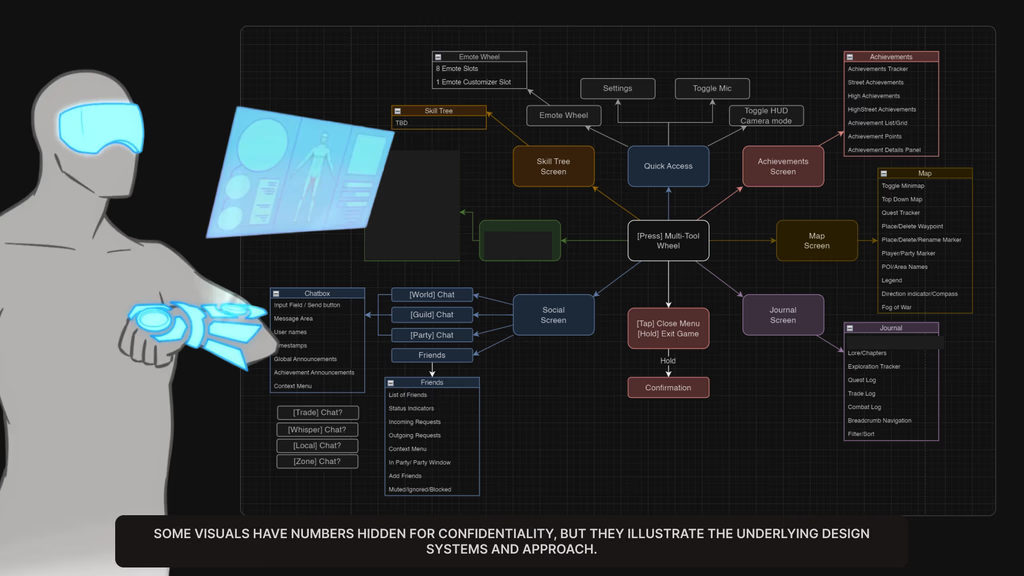
- Global UI guidelines.
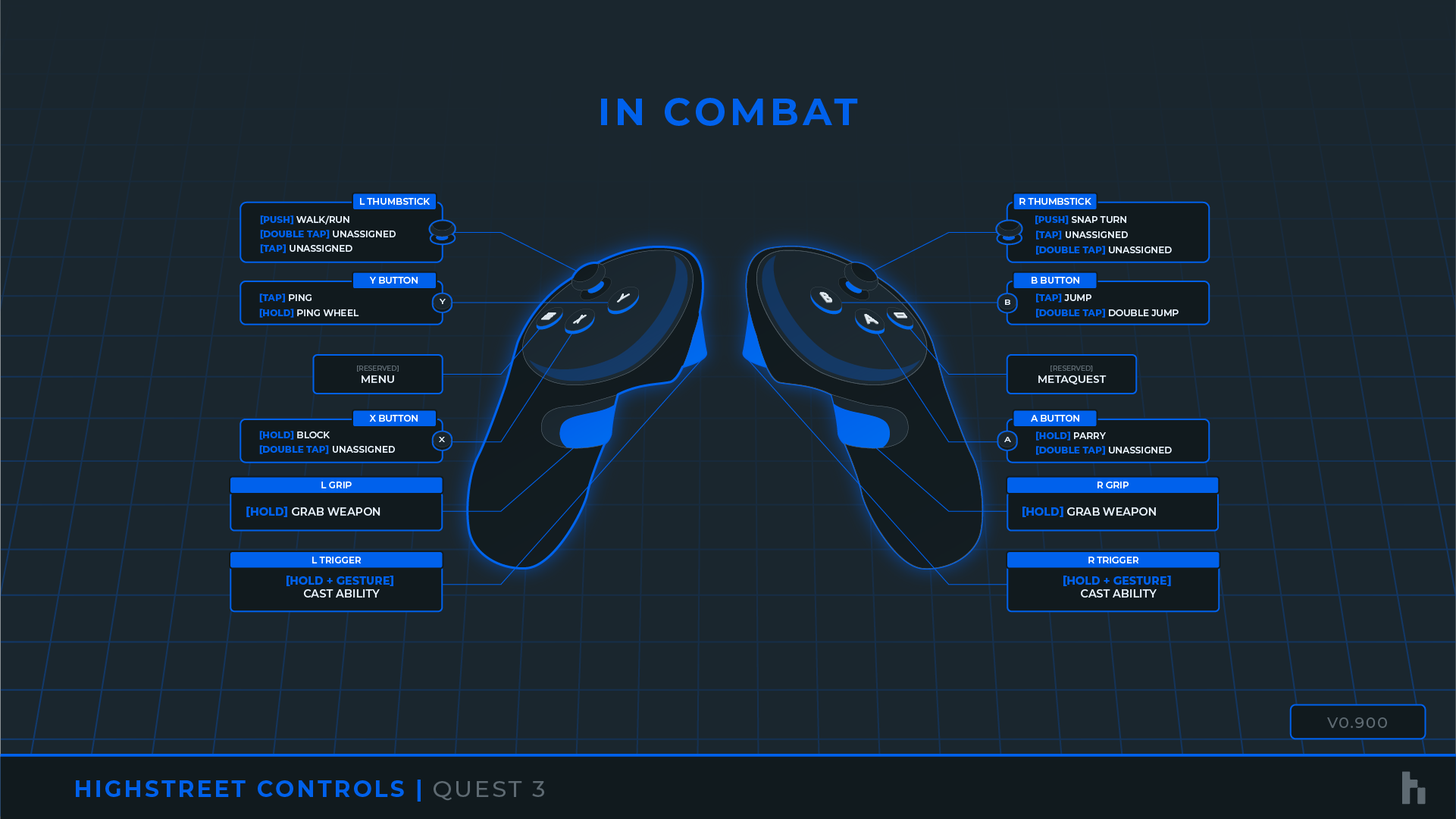
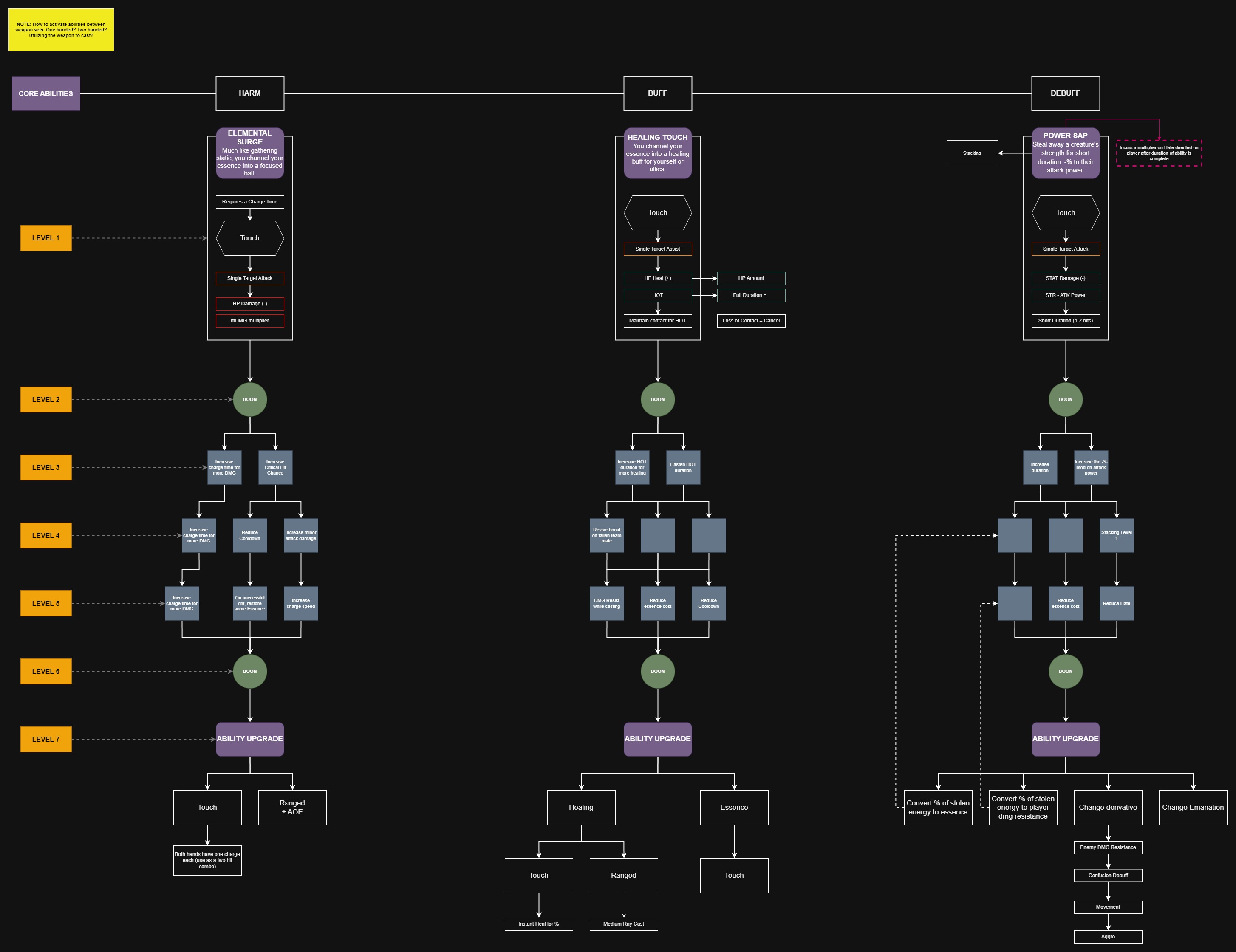
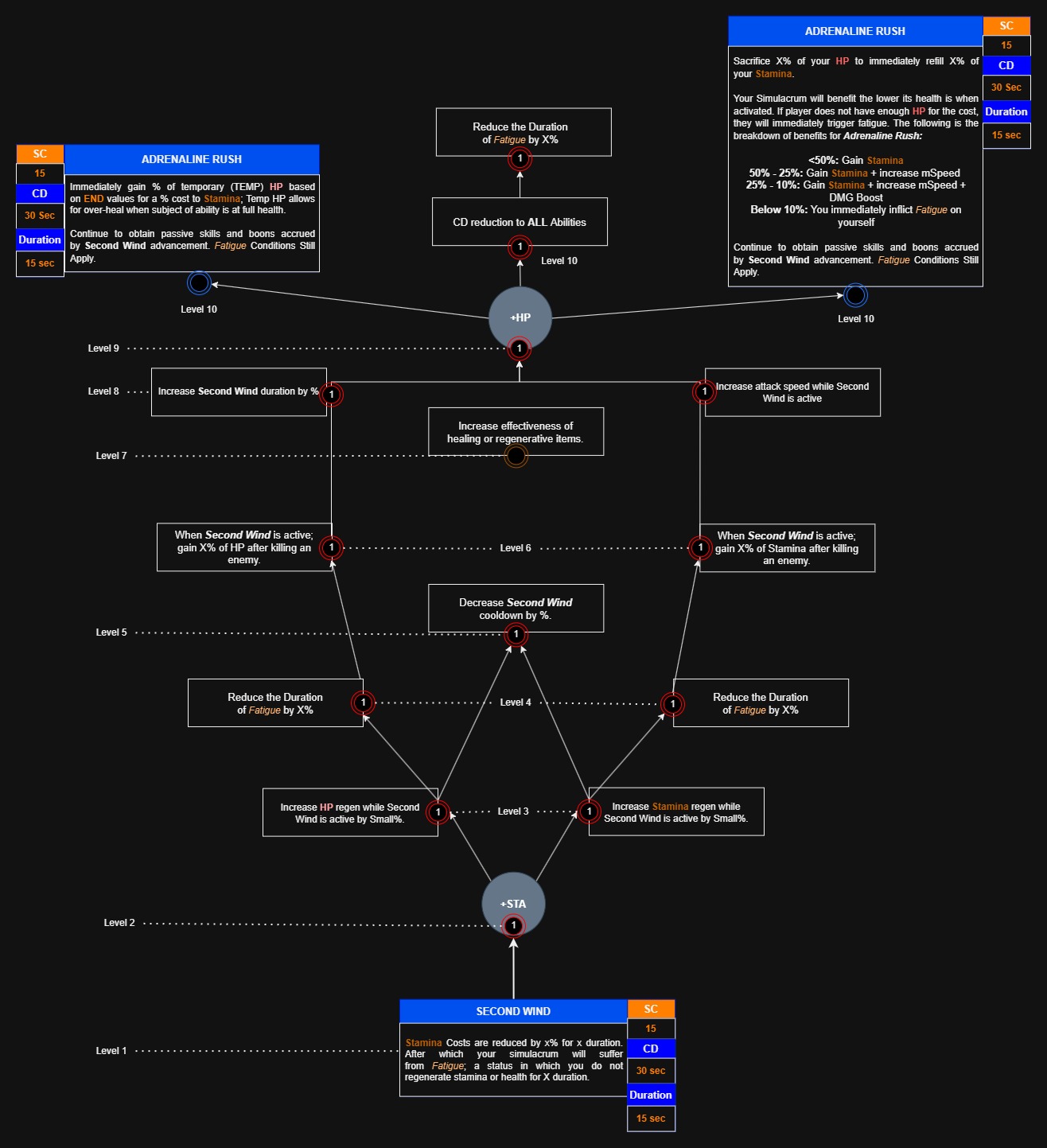
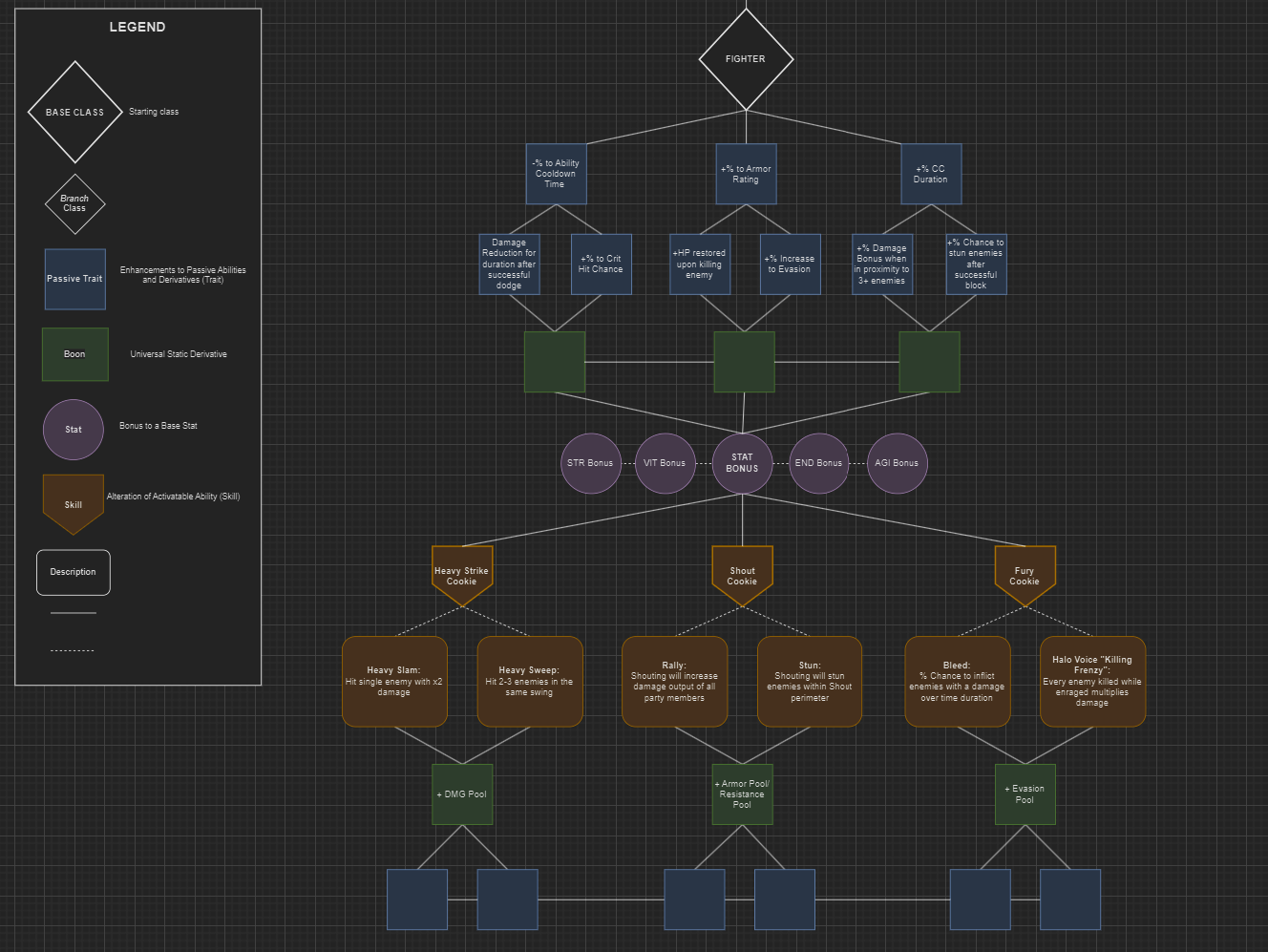
Some visuals have numbers hidden for confidentiality, but they illustrate the underlying design systems and approach.
Solution
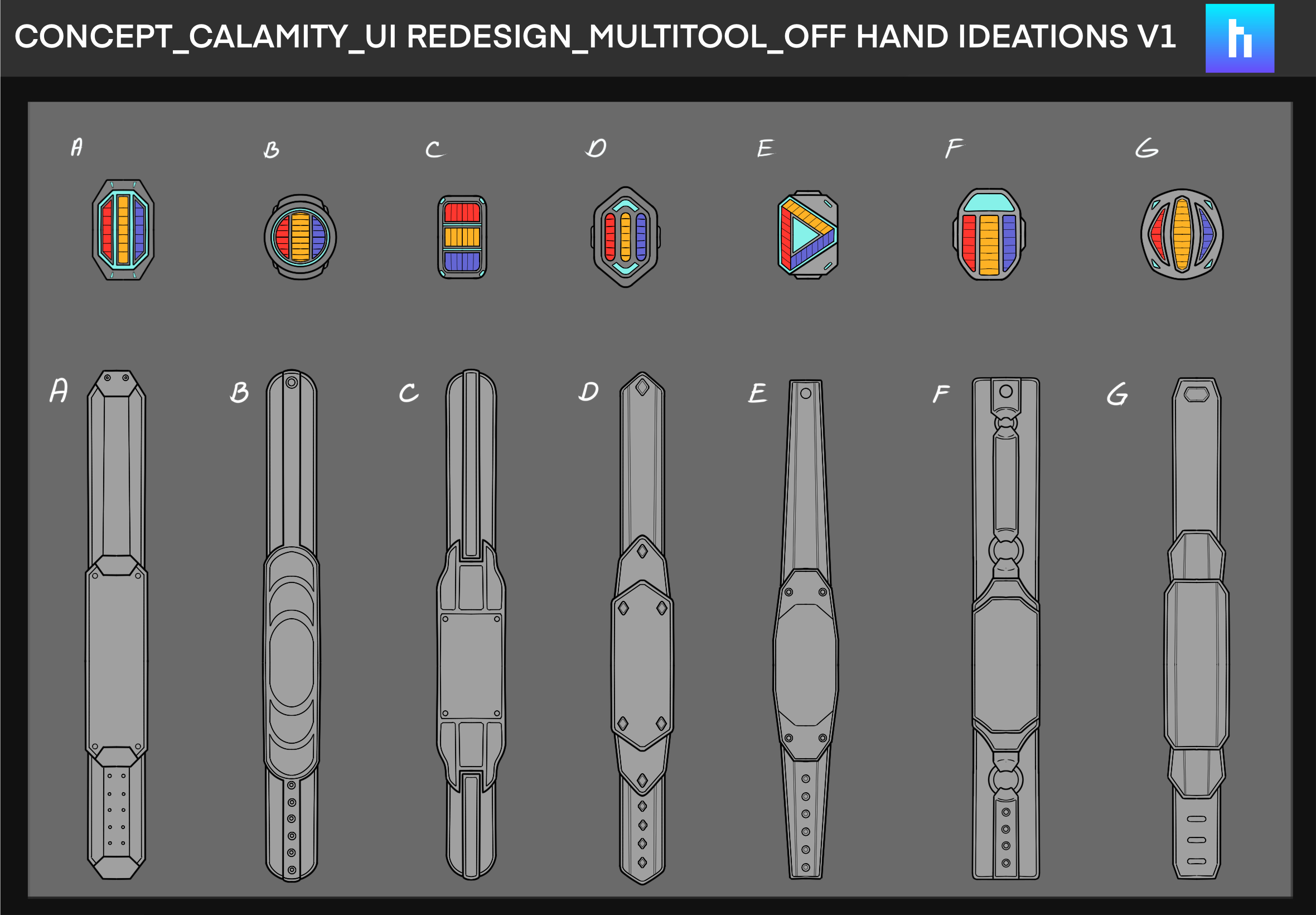
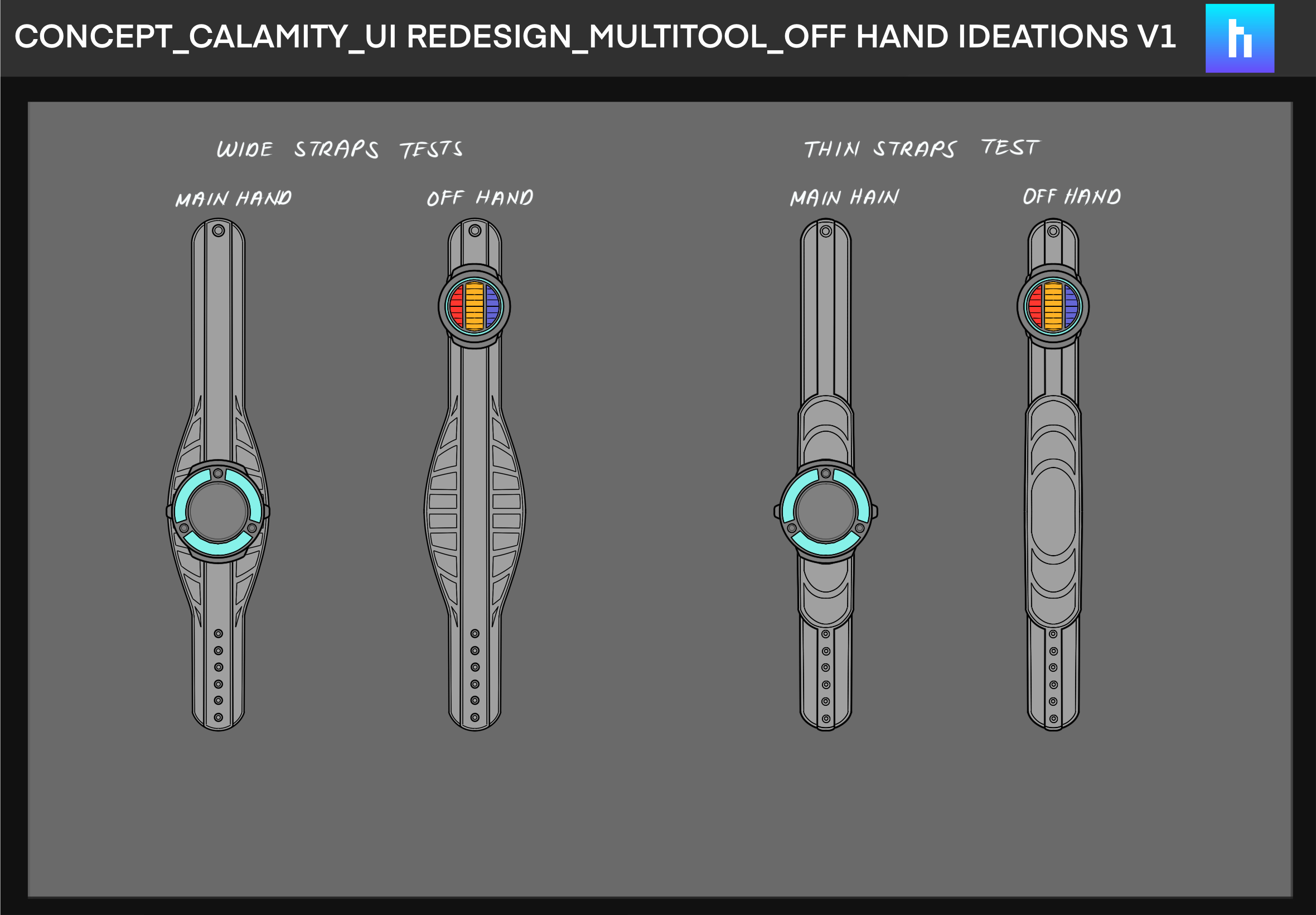
Design owner on the Multi-tool, S.A.L.I, Davey's Demure Designs, the Gacha system, and the Ability Creator tool.
The largest was a spreadsheet-based authoring tool. The design team could modify or create abilities, weapons, enemies, wave compositions, consumables, and end-of-game rewards without engineering support per change. Multi-week tuning round-trips collapsed into a same-day loop.
Impact
By the end of the project the design team had authored the full ability and progression layer of the game through that pipeline. The impact of the change helped us expedite our process: design owning iteration, engineering owning the engine.